
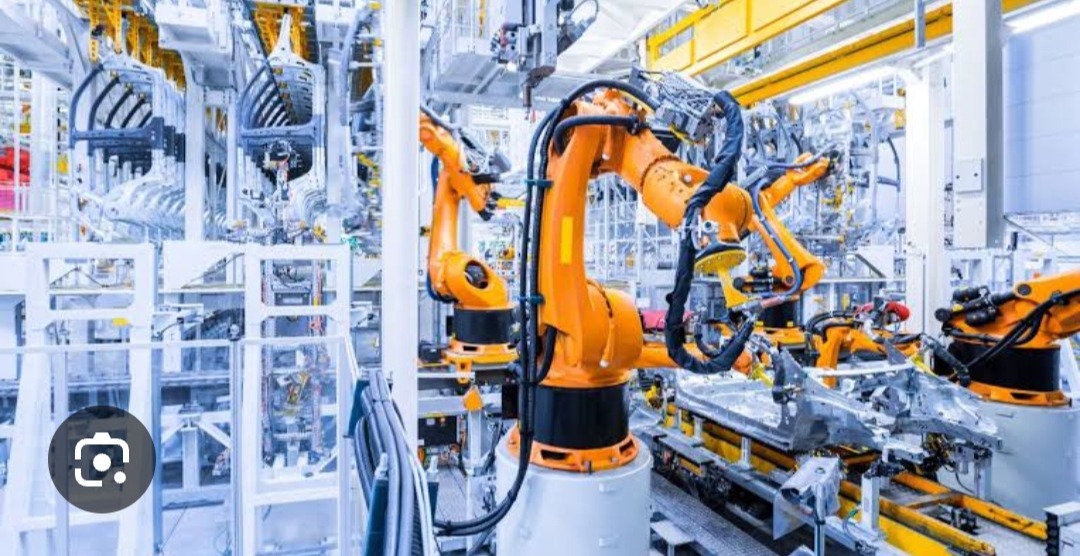
In the age of Industry 4.0, sensors have emerged as the essential foundation of industrial automation, allowing intelligent systems to streamline operations, boost productivity, and maintain safety. Industry sensors are crucial in redefining business practices, providing unmatched accuracy, efficiency, and real-time insights for informed decision-making.
This blog will explore the world of industry sensors, discussing their various types, applications, and the significant impact they have on reshaping sectors. We will also highlight the latest trends and innovations while optimizing the content with key phrases like “industrial sensors,” “automation sensors,” and “smart sensors for industry.”
Industry Sensors
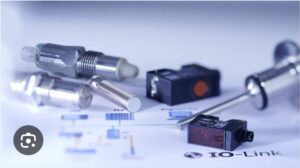 Industry sensors are instruments that identify and quantify physical, chemical, or environmental changes in an industrial environment. They transform these measurements into electrical signals for monitoring, control, and analysis.
Types of Industry Sensors
Recognizing the different types of sensors is vital for choosing the appropriate one for specific applications. Here are some commonly utilized industrial sensors:
- Temprature Sensors
These sensors measure temperature and the variations of industrial settings.
Applications: HVAC systems, food processing, and manufacturing lines.
Popular Options: Thermocouples, RTDs (Resistance Temperature Detectors).
- Pressure sensors
These sensors monitor and regulate pressure in fluid or gas systems.
Applications: Oil refineries, hydraulic systems, and boilers.
Popular Options: Piezoelectric sensors, capacitive pressure sensors.
- Proximity Sensors
These sensors detect the presence or absence of objects without making contact.
Applications: Conveyor belts, assembly lines.
Popular Options: Inductive, capacitive, and ultrasonic sensors.
- Level Sensors
These sensors keep track of the levels of liquids or solids in containers or tanks.
Applications: Wastewater management, chemical processing.
Popular Options: Radar, ultrasonic, and optical sensors.
- Vibration Sensors
These sensors measure vibrations to forecast potential equipment failures.
Applications: Used in predictive maintenance and monitoring machine health.
Popular Options: Accelerometers and velocity sensors.
- Humidity Sensors
These devices monitor moisture levels in the air or during industrial processes.
Applications: Commonly found in agriculture, pharmaceuticals, and food storage.
Popular Options: Capacitive and resistive humidity sensors.
- Gas Sensors
These sensors identify harmful gases, ensuring safety in dangerous environments.
Applications: Utilized in mining and chemical plants.
The Importance of Sensors in Industry 4.0

- Facilitating Predictive Maintenance
Vibration and temperature sensors identify irregularities in machinery, enabling industries to tackle potential failures before they worsen.
- Continuous Monitoring and Control
Sensors deliver real-time information on essential parameters such as pressure, temperature, and humidity, ensuring that industrial processes stay within safe and optimal ranges.
- Promoting Energy Efficiency
Intelligent sensors track energy usage, helping industries minimize waste and reduce operational expenses.
- Improving Safety
Gas and proximity sensors enhance workplace safety by detecting risks and preventing accidents.
- Optimizing Processes
Industries can refine their operations, boost product quality, and reduce downtime by combining sensor data with AI and IoT technologies.
Emerging Trends in Industrial Sensors
[caption id=”attachment_8788″ align=”alignnone” width=”
- Wireless sensors
The advent of wireless technology has removed the necessity for extensive wiring, leading to lower installation costs and greater flexibility in where sensors can be positioned.
- IoT-Enabled Sensors
The rise of the Internet of Things (IoT) has transformed sensor technology, allowing for effortless connectivity, remote monitoring, and advanced data analysis.
- Miniaturization
Innovations are leading to the creation of smaller, more efficient sensors that are ideal for compact and lightweight applications, all while maintaining high performance.
- AI Integration
Sensors that incorporate artificial intelligence can analyze data patterns, providing predictive insights and facilitating automated decision-making processes.
- Sustainability Focus
There is a growing demand for eco-friendly sensors that use less energy and are constructed from recyclable materials.
Applications of Industry Sensors Across Sectors
- Manufacturing
Use Case: Tracking assembly line efficiency and ensuring product quality.
Sensors Used: Proximity sensors, temperature sensors.
- Energy and Utilities
Use Case: Enhancing the efficiency of power generation and distribution systems.
Sensors Used: Pressure sensors, flow sensors.
3.Healthcare
Use Case: Ensuring controlled environments in pharmaceutical manufacturing.
Sensors Used: Humidity sensors, temperature sensors.
- Agriculture
Use Case: Implementing precision farming through real-time monitoring of soil and weather conditions.
Sensors Used: Moisture sensors, gas sensors.
- Transportation
Use Case: Assessing engine performance and boosting vehicle safety.
Sensors Used: Vibration sensors, proximity sensors.
Choosing the Right Industry Sensor
When it comes to selecting the right sensor, there are a few key factors to keep in mind:
Application Needs: Think about the environment and the exact measurements you need to take.
Accuracy and Precision: Industries with critical operations demand sensors that offer very low error rates.
Durability: Ensure that the sensors can endure tough industrial environments.
Connectivity: Opt for IoT-compatible sensors for better integration and functionality.
Cost: Weigh the upfront costs against long-term advantages such as maintenance and energy efficiency.
The Future of Industrial Sensors
The development of industrial sensors is set to gain momentum thanks to breakthroughs in nanotechnology, artificial intelligence, and edge computing. These advancements will enhance the intelligence and efficiency of sensors, making them essential for meeting sustainability objectives in industrial processes.
- Nanotechnology in sensors
Utilizing nano-scale sensors for improved accuracy and sensitivity in measurements.
- Edge Computing
Local processing of sensor data to minimize delays and boost security.
- Eco-Friendly Sensors
Creating biodegradable and energy-efficient sensor options.
Conclusion
Industrial sensors are vital components in today’s industrial environment, fostering innovation, efficiency, and safety. Their uses range from predictive maintenance to real-time monitoring, showcasing their extensive and transformative potential. As technology continues to evolve and AI and IoT become more integrated, sensors will remain crucial in defining the future of industrial automation.
If you’re considering the advantages of industrial sensors for your business, grasping their functionalities and choosing the appropriate type can lead to significant improvements in operational performance.
For the latest news on industrial automation and smart technologies, keep an eye on MIE Industry. Let’s harness the capabilities of sensors and drive industries toward a smarter, more efficient tomorrow!